One monthly letter. One life skill. A stronger start before 13.
Real mail for real life. Each month, your child gets one kid-focused life skill in a light brown envelope addressed to them. No app. No login. No homework.
Welcome Letter mailed within 5 days. Then one new life-skill letter is mailed each month.
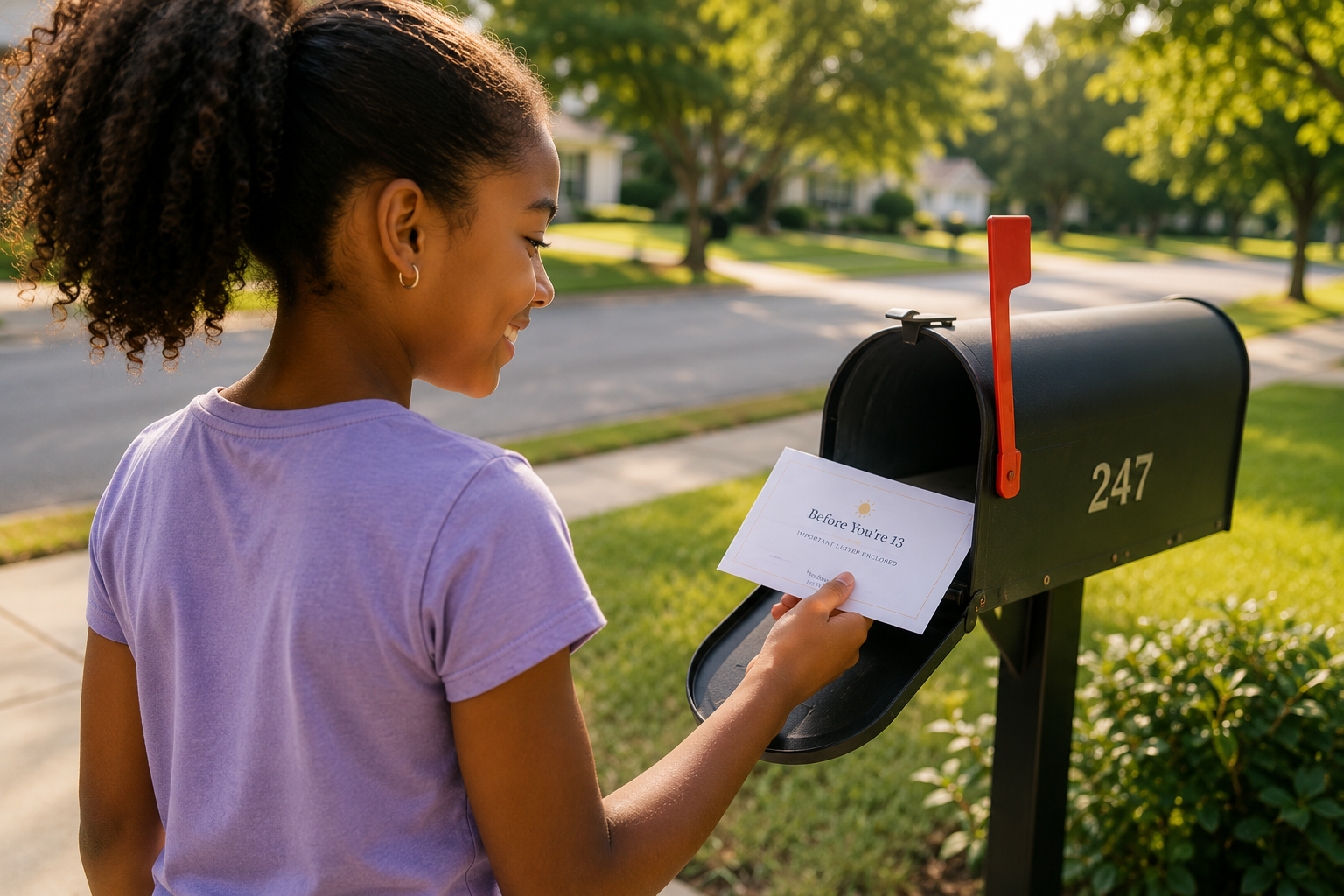
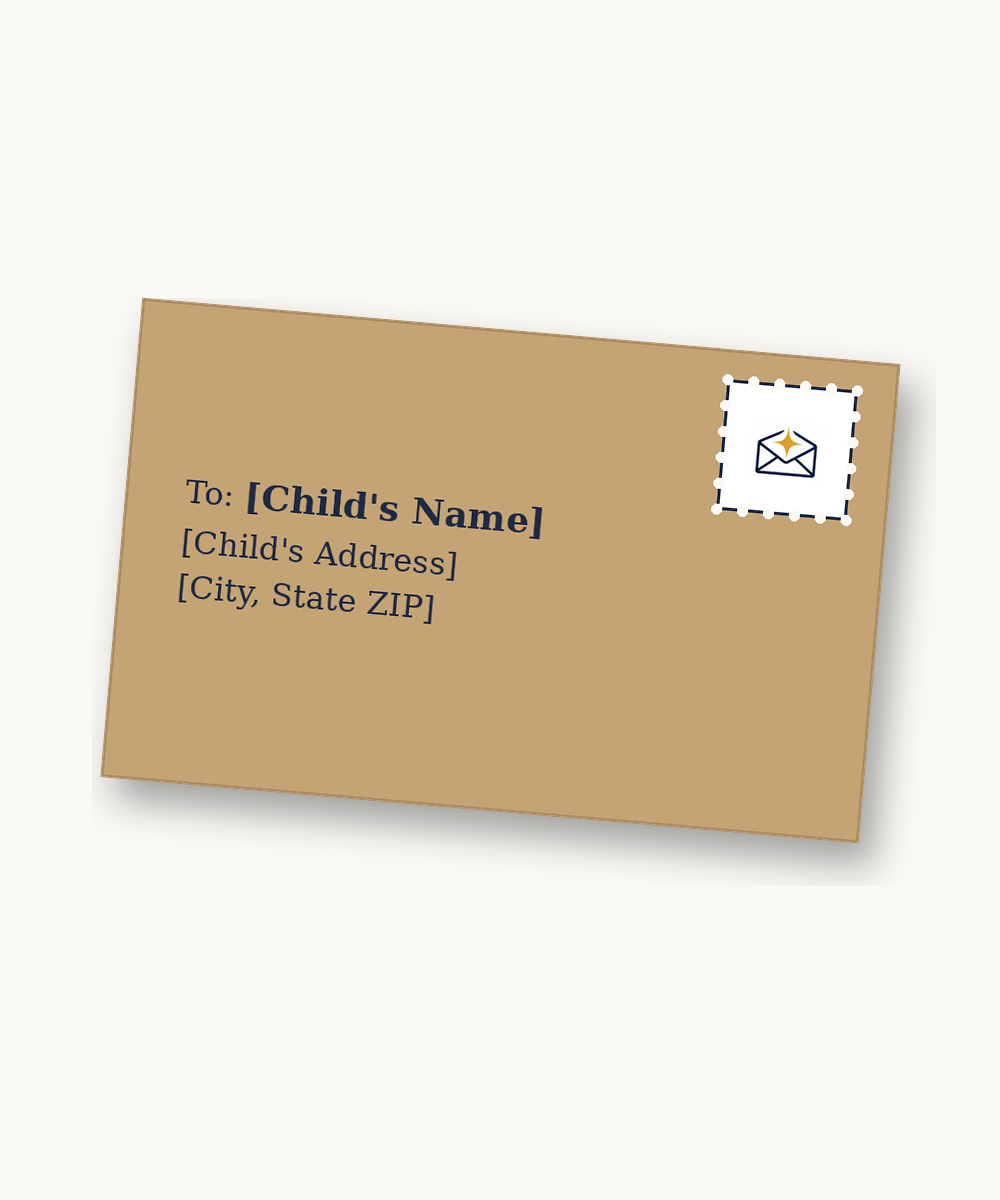
Seeing their own name on the envelope makes the letter feel special.
This is not another printable, email, app notification, or online course. Your child receives a real light brown envelope in the mailbox, addressed directly to them.
One letter. One lesson they remember.
“My daughter loves that each letter teaches one thing.”
Parent B. Savel
“My kid has been enjoying the letters.”
M. Williams
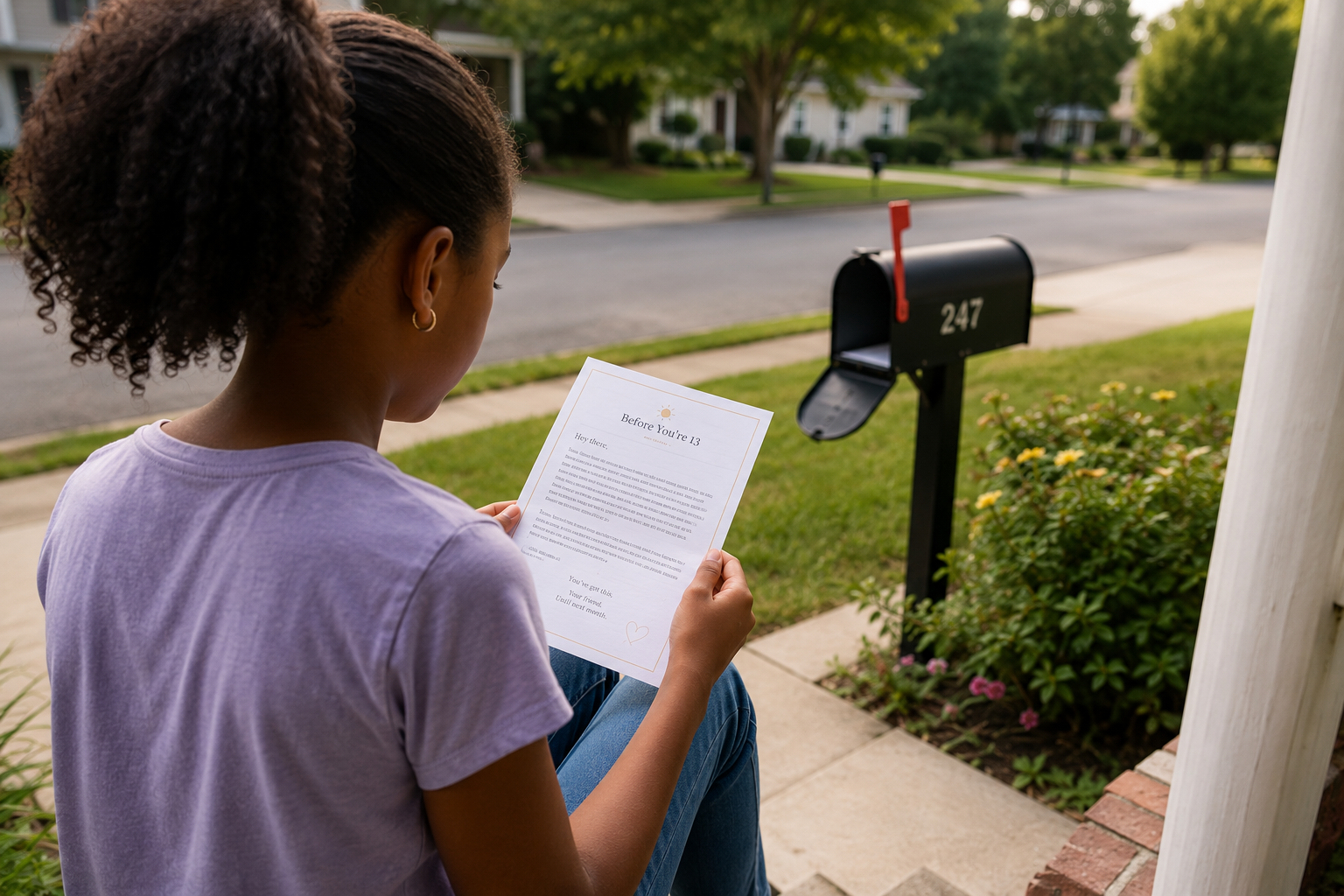
Life gets bigger before the teen years begin.
Friends change. Independence grows. Phones, money, confidence, kindness, problem solving, and everyday choices start to matter in new ways. Each letter gives your child one useful pointer for life and gives you an easier way to start the conversation.
Enough value to matter. Simple enough to finish.
Each monthly envelope is designed to be useful, personal, and easy for a 10-, 11-, or 12-year-old to complete.
A relatable moment written for this age, in a voice that feels meant for your child, not like another adult lecture.
A focused lesson about confidence, friendships, money, kindness, responsibility, or better choices.
A real-world action your child can try that month without worksheets or extra supplies.
A short place to record what they tried and how it went.
Each letter moves your child one step closer to completing their age-level journey.
Closed with a gold seal and marked by level, so your child knows special mail has arrived.
From checkout to the mailbox.
Choose a plan
Select monthly or annual and complete checkout. Then enter your child's information and mailing address during enrollment.
Welcome Letter ships
Your child's Welcome Letter is mailed within 5 days. It introduces Jordan and explains the series.
Letter #1 is mailed
Letter #1 is mailed by U.S. Mail on the first Monday of every month.
They read and try it
One story. One skill. One small mission. Then they mark their progress.
Simple pricing. No contract.
Both plans include the Welcome Letter, personalized monthly mail, and your choice of girl or boy edition.
Monthly subscription
- One letter mailed each month
- Welcome Letter mailed within 5 days
- Cancel anytime
Annual subscription
- Save $20.89 compared with monthly
- Welcome Letter mailed within 5 days
- One full year of monthly letters
What parents need to know.
When will my child's letters be mailed?
The Welcome Letter is mailed within 5 days of subscribing. Letter #1 of the monthly subscription is mailed by U.S. Mail on the first Monday of every month.
What ages is this for?
Before You're 13 is designed for children ages 10-12. Your child's age determines the appropriate starting level.
What topics are covered?
Topics include confidence, friendships, money, kindness, honesty, responsibility, empathy, independence, and making better choices.
Is there a girl and boy edition?
Yes. The skills and structure are the same. The opening stories are written separately so each edition feels more personal. You choose the edition during enrollment.
My child is already 11 or 12. Will they miss letters?
No. Your child starts with the complete level written for their current age. Nobody receives a shortened or incomplete version.
What if my child is not 10 yet?
Before You're 13 begins at age 10. If your child is younger, join the Early Interest List and we will let you know when it is time for them to start.
Can I cancel the monthly subscription?
Yes. There is no contract. You may cancel anytime, and your child keeps every letter already mailed.
Is this the same as Ready for Middle School Letters?
No. Ready for Middle School Letters is an 8-week transition series. Before You're 13 is a separate monthly life-skills subscription for ages 10-12. Families may use either product or both.
Let them look forward to their turn.
Before You're 13 starts at age 10. If your child is younger, join the Early Interest List and we will let you know when they are old enough to begin receiving their own monthly letters.
Give them one useful pointer for life each month.
One real letter. One practical life skill. One small reason to pause, think, and talk before the teen years arrive.
Choose my subscription